When you launch a new product, the first thing people notice is the box or bag that holds it. It’s the silent salesman that can either make or break your brand’s first impression. Knowing how to choose a packaging material that is custom means you’ll protect your product, tell your story, and keep your budget in check—all while staying true to your brand’s personality. This guide walks you through the process step by step, with a sprinkle of humor and a dash of real‑world wisdom.
Understanding Your Product’s Personality
Before you even think about paper or plastic, ask yourself: what is my product’s character? Is it fragile like a newborn kitten, or rugged enough to survive a weekend in a backpack? Does it belong to a luxury line or a casual snack aisle? The answer will dictate the material’s strength, feel, and finish.
The “First Impression” Metaphor
Think of packaging as the first page of a book. If the cover looks rough, readers might skip it—unless the cover promises adventure. Similarly, a sturdy, high‑quality package invites curiosity; a flimsy one might repel buyers before they even open it.
Quick Personality Checklist
- Fragility: Need shock‑absorbing material? Size & Shape: Custom die‑cut vs. standard boxes? Brand Tone: Premium, eco‑friendly, playful? Shelf Life: Does the material protect against moisture, light, or pests?
Answering these questions narrows the material pool and sets the stage for deeper research.
Material Fundamentals: The Building Blocks
Once you’ve identified your product’s personality, it’s time to dive into the material options. Each type of packaging offers a unique blend of protection, cost, and aesthetic appeal.
Common Packaging Materials
- Corrugated cardboard – sturdy, recyclable, and great for shipping. Rigid cardboard – premium look, perfect for high‑end products. Plastic film (PET, PP) – lightweight, moisture‑resistant, but less eco‑friendly. Paperboard – versatile, can be printed with high detail. Custom‑blended composites – combine materials for tailored strength and appearance.
Key Performance Factors
- Strength: Can it survive handling and transport? Barrier properties: Does it block moisture, oxygen, or UV light? Printability: Will your branding look sharp? Sustainability: Is it recyclable or biodegradable?
Use this matrix to compare options side‑by‑side and see which material ticks the most boxes.
Eco‑Friendly Options for the Conscious Brand
If your brand prides itself on sustainability, you’ll want a material that aligns with your values. “Quality is not an act, it is a habit.” – Aristotle. That habit can extend to the very fabric of your packaging.
Green Material Choices
- Recycled cardboard – 100% post‑consumer waste. Bamboo fiber – fast‑growing, renewable source. PLA (polylactic acid) – plant‑based plastic that composts. Mushroom packaging – mycelium‑based, biodegradable.
Trade‑Offs to Consider
- Durability: Some eco‑materials may be less robust. Cost: Green options can be pricier, but often offset by marketing benefits. Consumer Perception: Eco‑friendly packaging can boost brand loyalty.
If you’re uncertain, run a quick survey: “Would you pay a bit more for a product in sustainable packaging?” Most people say yes—especially in niche markets.
Balancing Cost, Protection, and Design
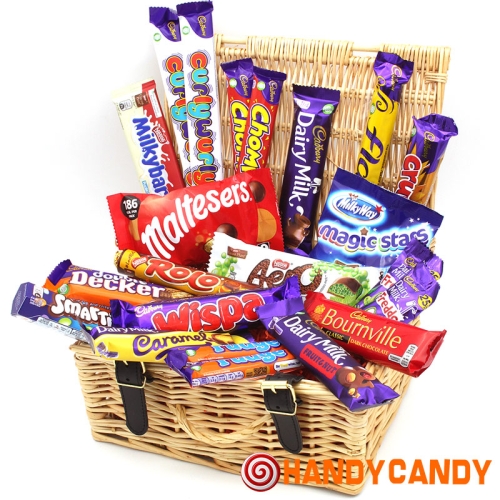
Choosing a custom packaging material is like balancing a seesaw: chocolate hampers cost on one side, protection on the other, with design in the middle. Too much emphasis on one can tip the scale.
Cost Breakdown
- Material cost per unit: The base price of the raw material. Printing and finishing: Variable depending on complexity. Shipping weight: Heavier packages increase freight costs. Waste and rework: Poor fit leads to more returns and returns cost.
Protection vs. Design
- High protection often means thicker walls and heavier weight—more expensive. High design may require specialty inks or embossing—extra cost. Optimal balance: Use a mid‑grade material and add protective inserts only where necessary.
Rhetorical Check
- What if your packaging could double as a marketing tool? How much are you willing to invest in a first‑time buyer’s experience?
Answering these questions helps you decide where to cut or add costs.
Custom Printing and Finishing Techniques
A custom packaging material is only as good as the story it tells. Printing, embossing, and other finishes can elevate the look and feel, turning a simple box into a memorable experience.
Popular Finishing Options
- Full‑color offset printing – crisp, vibrant colors. Digital printing – quick turnaround, small batch flexibility. Foil stamping – metallic sheen for luxury appeal. Embossing/Debossing – tactile texture that feels premium. UV coating – adds gloss and protection.
Matching Finish to Material
Not every finish works with every material. For example, embossing on rigid cardboard creates a tactile luxury feel, while UV coating on paperboard protects against fingerprints. Test samples before committing.
Anecdote
A small artisanal soap brand once used a simple kraft paper box with a single gold foil stamp. The result? The box felt like a treasure chest, and sales jumped 30% in the first month. The lesson? Sometimes a single, well‑chosen finish can do more than a dozen fancy colors.
Testing and Prototyping Before You Commit
You might think the right material is obvious, but reality often proves otherwise. Prototyping is your safety net.
Prototype Checklist
- Structural integrity: Drop test from a shelf height. Print quality: Verify color fidelity and alignment. User experience: Does it open easily? Is the branding visible? Environmental test: Humidity, temperature, UV exposure.
Gathering Feedback
Show prototypes to a focus group or trusted customers. Ask: “Does this packaging make you feel confident about the product inside?” Their honest feedback can save you from costly mistakes.
Cost of Prototyping
- Small batch runs: $200–$500 per sample. Large scale mock‑ups: $1,000+ if you need a realistic feel.
Weigh these costs against the potential loss of a product line that fails due to poor packaging.
Making Your Selection Count
Now that you’ve walked through personality, materials, sustainability, cost, design, and testing, it’s time to make the final choice. Think of this as picking the right tool for the job—one that fits your product’s needs and your brand’s voice.
- Match material to product: Fragile items need shock‑absorbent walls. Align finish with brand: Luxury brands lean toward foil and embossing; eco‑brands favor simple, recyclable designs. Budget wisely: Allocate a higher percentage of your marketing spend to packaging if it’s a key differentiator.
Remember, the right packaging doesn’t just protect the product—it tells a story, builds trust, and can even become a collectible item in its own right. By following these steps, you’ll ensure that your custom packaging material is not just a wrapper, but a strategic asset that elevates your brand.
Ready to start the selection process? Reach out to a packaging consultant or a local supplier to request samples and get a detailed quote. The right material is out there—just a few clicks away.